
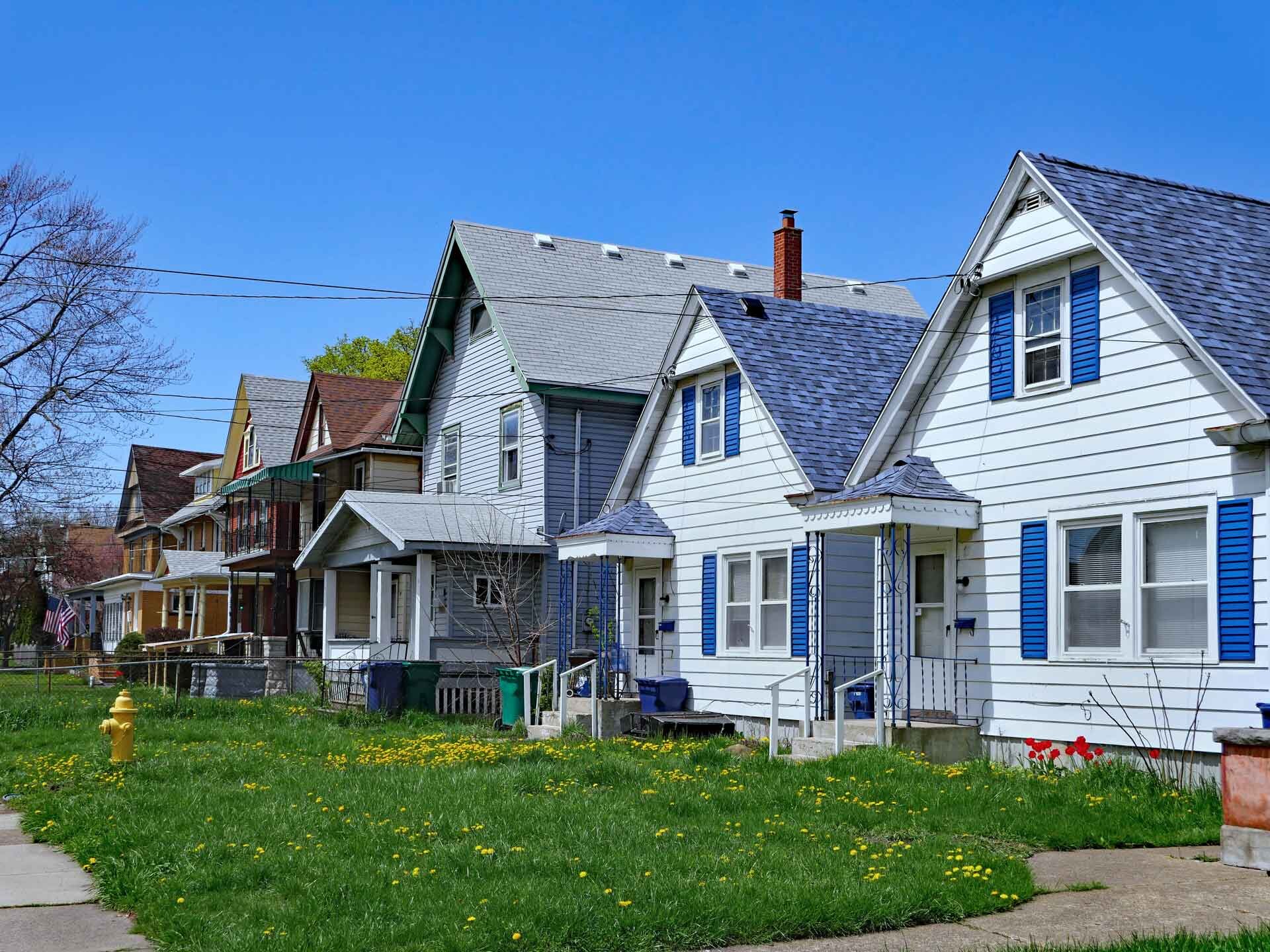
Foreclosure happens when mortgage payments fall behind and the lender no longer believes the loan will be brought current. Because your home is collateral for the loan, the lender has the legal right to take ownership and sell the property to recover what’s owed.
For many homeowners, foreclosure starts quietly and escalates quickly. According to recent national housing data, hundreds of thousands of Americans report being at risk of losing their homes each year. In Virginia, foreclosure often stems from situations like:
- Sudden loss of employment or reduced income
- Divorce or the passing of a spouse
- Growing medical bills or credit card debt
- Relocation without a completed sale
- Property damage or unexpected emergencies
ABF Investment Group works locally across Virginia, helping homeowners in serious financial situations sell properties as-is without listings, lenders, or delays. We focus on solutions when time and options are limited.
What is Foreclosure?
Imagine your income drops unexpectedly, but your monthly expenses stay the same. Even if you recover financially later, the missed payments, fees, and penalties can pile up fast. Once the loan falls into default, the lender begins formal foreclosure proceedings to reclaim the property.
At this stage, ignoring notices can make things worse. Understanding what comes next is critical if you want to protect your remaining options.
How Long Do You Have To Get Out of Your House After Foreclosure?
Foreclosure timelines vary by state. In Virginia, the process may move faster than many homeowners expect. From the first missed payment to a foreclosure sale, the window can range from a few months to under a year.
During this period, lenders typically send multiple notices by mail, phone, and email. Once a sale date is scheduled, the timeline becomes very tight — but selling may still be possible before the auction.
The Different Types of Foreclosure
Virginia allows two foreclosure paths, depending on how the loan was written: nonjudicial foreclosure or judicial foreclosure
What Is Non-Judicial Foreclosure?
Non-judicial foreclosure is the most common and fastest method used in Virginia. The lender does not need court approval and can proceed based on the “power of sale” clause in the deed of trust.
This process allows the lender to schedule a public auction with limited notice, making it difficult for homeowners to react unless they already have a plan in place.
What Is Judicial Foreclosure?
In judicial foreclosure states, lenders must file a lawsuit before selling the property. This process involves court hearings and formal notices.
If the home sells for less than what’s owed, the homeowner may still be responsible for the remaining balance — known as a deficiency. Because this is costly and time-consuming, lenders often avoid this route when possible.
Get an offer today, sell in a matter of days.
How to Sell Your House Before Foreclosure in Virginia
Your options depend heavily on how far the foreclosure has progressed. Here are the most common paths homeowners consider:

Working With a Real Estate Agent
Many homeowners first think about listing their home. While an agent can market the property, this route often involves repairs, showings, inspections, and commissions.
In foreclosure situations, timing is the biggest risk. Even if an offer comes in, traditional closings often take 30–45 days or longer — time many homeowners simply don’t have before auction.

Short Sale
If the mortgage balance exceeds the home’s value, a short sale may be required. This means the lender must approve selling the home for less than what’s owed.
Short sales involve extensive paperwork, financial disclosures, and long approval timelines. Even when successful, they can severely impact credit for years and offer no guarantee of a timely closing.

Sell Your House AS-IS to A Cash Buyer
When foreclosure deadlines are approaching, selling directly to a cash buyer may provide the fastest resolution.
Benefits often include:
- No agent commissions or listing delays.
- No repairs or clean-out requirements.
- No financing contingencies.
- Flexible closing timelines!
Selling as-is allows homeowners to exit the property before auction, potentially settle debts, and move forward without ongoing legal or financial pressure.
Can You Stop Foreclosure Once it Starts?
There are limited ways to pause or stop foreclosure, depending on finances and timing.
Pay Off Your Loan & Fees
Catching up on missed payments, fees, and penalties can stop foreclosure — but this often requires immediate access to funds or outside financial help.
Declare Bankruptcy
Bankruptcy can temporarily halt foreclosure, but it comes with serious long-term consequences. Legal fees, court supervision, and lasting credit damage make this a last-resort option for many homeowners.
The Homeowner Affordability and Stability Plan (HASP)
Some homeowners may qualify for government or lender-based modification programs that adjust monthly payments. Approval is not guaranteed, and the process can be slow.
Related Articles
5 Ways the Foreclosure of Your Virginia House Will Impact You in the Future
What Homeowners in Virginia Can Expect During the Foreclosure Process
The Difference Between Pre-Foreclosure and Foreclosure for Homeowners in Virginia
How to Sell Your House During Bankruptcy in Virginia
Stopping the Foreclosure Process: A Guide for Virginia Homeowners
What Rising Foreclosure Rates Mean for Home Buyers and Sellers in Virginia
Avoiding Foreclosure: How Virginia Direct Property Buyers Can Help You Keep Your Credit Score Intact
How to Sell Your House in Virginia if You Owe More Than It’s Worth
4 Things to do if You Are Upside-Down on Your Mortgage in Virginia
Traditional Sales vs. Short Sales And Foreclosures in Virginia
Selling Before Foreclosure: A Direct Solution
Selling to a cash buyer may not deliver top retail value — but when foreclosure is looming, speed, certainty, and debt relief often matter more than price.
A direct sale can help you avoid auction, eviction, and years of financial fallout. If you’re facing foreclosure or pre-foreclosure in Virginia, ABF Investment Group can review your situation and explain your options.
We Buy Houses in Foreclosure & Pre-foreclosure–
Get Your Offer Today!
If foreclosure notices are piling up and time is running out, speaking with a professional now could make all the difference. Reach out to ABF Investment Group to explore a practical solution and receive a no-obligation cash offer.